

March 1, 2026
Repairs and Improvements That Actually Help You Sell for More
Not all upgrades are equal. There are “High-ROI” repairs that are worth doing, and ones you can skip.
One of the fastest ways to increase your home’s value is through strategic preparation. But not all improvements create equal return. In fact, many sellers waste money fixing the wrong things while overlooking the changes buyers care about most. The goal is not to renovate your home. It is to remove objections and increase perceived value.
When I walk through a home with a seller, I am not looking for perfection. I am looking for friction. Anything that makes a buyer pause, question, or mentally subtract from the price is what we want to address first. Buyers will notice the little things, and they tend to stack them into a bigger story about how well the home has been cared for.
Focus on the High-ROI
Certain updates consistently deliver strong returns because they improve a buyer’s first impression:
-
Fresh paint in neutral tones
-
Updated light fixtures and kitchen counters
-
Minor landscaping clean-up
-
Repaired drywall, trim, and obvious wear
-
Replacing tired carpet and deep cleaning
These improvements make your home feel maintained, modern, and move-in ready, qualities buyers reward with stronger offers.
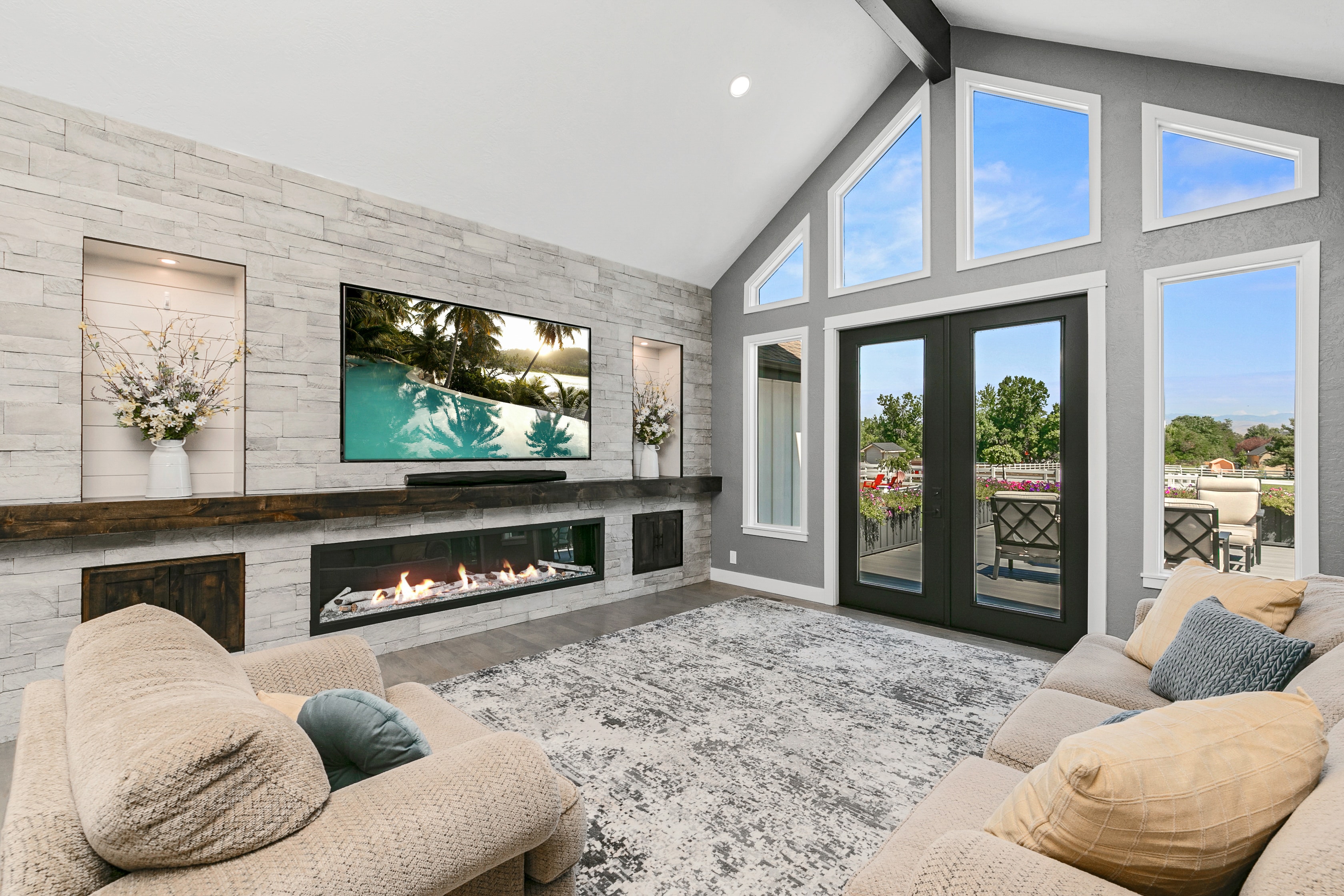
I see this play out over and over. When a home feels clean, bright, and cared for, buyers do not come in hunting for problems. They start picturing furniture placement, imagining holidays, and thinking about how quickly they can move in. That shift matters, because your first impression sets the tone for the entire showing, and ultimately the offer.
Address Functional Issues That Could Cost You Later
Buyers may overlook a dated bathroom, but they will not ignore problems that impact safety, structure, or usability. High-priority items include roof issues, leaks or water damage, electrical or plumbing problems, HVAC issues, and damaged windows or doors.
These issues often come up during an inspection and can cost more, or kill your deal, if not addressed early.
This is the part sellers sometimes underestimate. A functional issue does not just cost money to fix. It can create doubt. When doubt shows up, buyers start protecting themselves. They ask for bigger credits. They tighten terms. They wonder what else is hiding. If we handle these items early, we remove the “what if” factor and keep the negotiation focused on the value of the home, not the risk of the home.
Know When Not to Spend
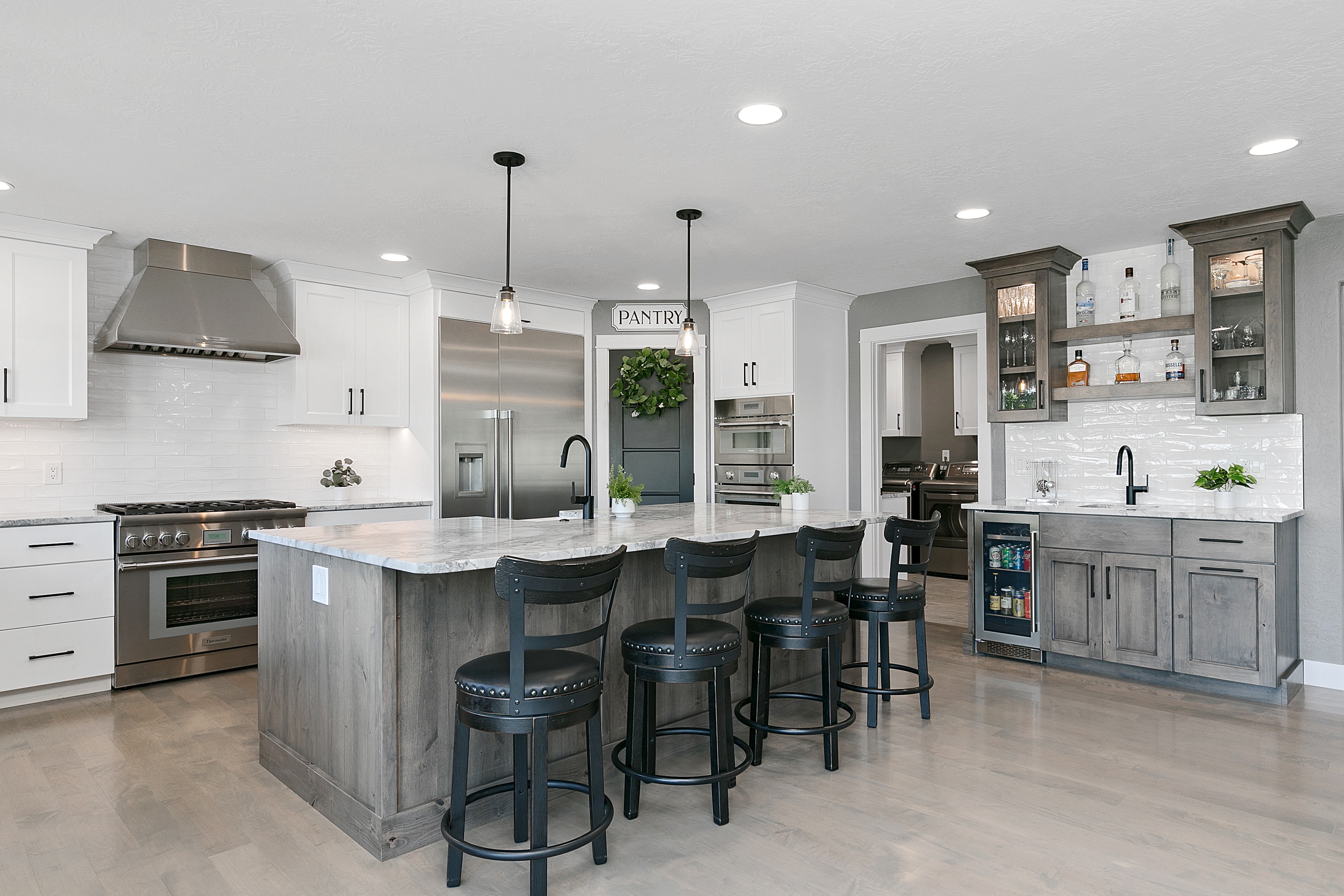
Renovations like full kitchen remodels, major bathroom overhauls, or installing high-end features rarely provide a dollar-for-dollar return before selling. Unless they solve a functional problem or dramatically change buyer perception, large remodels are usually unnecessary.
I know that can be hard to hear, especially if you are already thinking, “If I just redo the kitchen, I will get more.” Sometimes you will. Most of the time, you will not get it back the way you expect, especially once you factor in time, stress, decision fatigue, and the possibility of over-improving for your neighborhood. My job is to help you spend where it counts, not where it simply feels satisfying.
Small Investments, Big Emotional Impact
Buyers do not buy homes logically, they buy them emotionally. Simple improvements can significantly elevate those emotions:
-
Power-washing exterior surfaces
-
Decluttering and simplifying spaces
-
Replacing outdated hardware
-
Enhancing curb appeal with fresh mulch or flowers
-
Brightening spaces with modern light bulbs
These low-cost changes create the “this feels right” moment that every seller wants.
This is where the magic is. I have watched buyers walk into two homes with the same floor plan and choose the one that simply feels better. The home that smells clean, shows bright, feels uncluttered, and looks cared for often wins, even if the other home has “more upgrades.” Emotion drives action, and action drives price.
Bottom Line
The right improvements increase value by reducing buyer objections and showcasing your home at its best. A strategic approach ensures every dollar you spend comes back to you, often multiplied, at closing.
If you want a clear, step-by-step plan from an experienced real estate broker, check out my free resource below, How to Sell Your Home for More. And when you are ready to list, contact me. I will walk through your home with you, help you prioritize the high-ROI repairs and improvements, and create a smart prep plan that supports your price point and your timeline. Can’t wait to connect.
Cheers!